Did St. Thomas Aquinas Teach Against Oral Stimulation in the Summa Theologiae? Taking a Closer Look
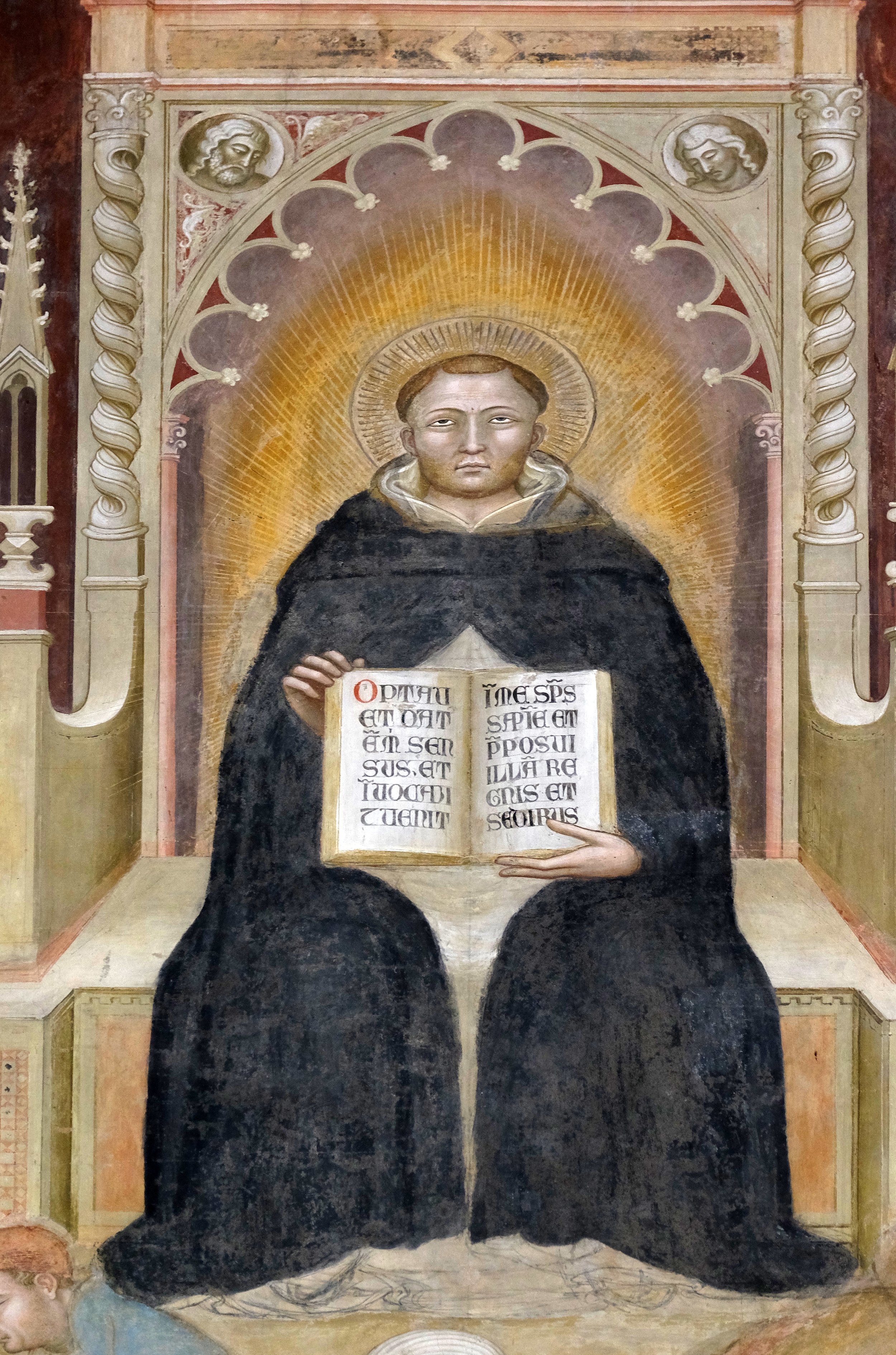
Was St. Thomas Aquinas actually opposed to oral stimulation within marriage? This article examines what St. Thomas truly taught about marital intimacy, the “natural manner of copulation,” and whether his writings can legitimately be cited to condemn oral stimulation between spouses.
It is often claimed by those who hold a more rigorous stance on the permissibility of oral stimulation in marriage that a major proponent of their rigorist stance is none other than St. Thomas Aquinas. In this article, we will take a closer look at what St. Thomas actually wrote, which will prove that he did not actually opine on this matter in any specific terms.
While I would never claim that St. Thomas favors the permissibility of oral stimulation within marriage (and would even go so far as to concede that he would likely be very reluctant to admit its permissibility given the opinions of other theologians of his day), we can only consider the weight of opinions actually put forward positively by Saints, Doctors, and Theologians. Therefore, if it can be proved that a Saint or Doctor did not actually state an opinion, regardless of whether or not that Saint or Doctor would have put forward that opinion if asked, then that Saint or Doctor can simply not be appealed to for support of this opinion.
So, why is it commonly believed that St. Thomas taught against oral stimulation in marriage? It has to do with a passage from the Summa Theologiae where St. Thomas discusses the sins against nature, namely, where St. Thomas enumerates the specific sexual sins that directly violate the order of nature. Among these are: solitary pollution, copulation between persons of the same sex, copulation between humans and animals, and, lastly, when a man and a woman do not "observe the natural manner of copulation”. It is this last phrase that rigorists cling to when they ascribe their restrictive position on oral stimulation to St. Thomas. But what does it actually mean? Traditionally, “copulation” referred to a consummated act of the sexual faculty which terminated in orgasm, not incomplete acts of sexual stimulation.
Now, of course, this would not mean that incomplete same-sex acts or incomplete sexual acts of bestiality would not share in the same gravity of the unnatural vice. There is, however, a categorical difference between those acts on the one hand and heterosexual acts on the other. When people of the same sex engage in a sexual relationship, the very initiation of this relationship violates the order of nature because it is ontologically impossible for the two to fulfill the natural ends of marriage. But this is not the case between a man and a woman. Therefore, the vice against nature must consist in those sexual acts which by their very nature impede the generation of offspring (impeditur generatio), which St. Thomas identifies as the constitutive element that defines the sin against nature to begin with. Now it is clear that, unless an act of oral stimulation involves a foreseen proximate danger of male orgasm outside the vagina, the generation of offspring is simply not impeded. Thus, when St. Thomas refers to sexual intercourse that does not observe the “natural manner of copulation” between a man and a woman, one can only logically conclude that he has in mind any consummated sexual act which involves pollution.
It is worth noting, furthermore, that when St. Alphonsus and other moralists do condemn the oral stimulation of the male member, there is no citation of St. Thomas’ words here. In fact, these moralists identify this act, which they term irrumation, as a “new” species of lust, which they would not do if they could simply cite St. Thomas’ teaching in the Summa to settle the matter or at least provide support for their arguments.
For these reasons, we simply cannot count St. Thomas as among those who expressly condemn such acts, even if we could hazard a guess that he would not have approved of them. For those who have not read our other articles on the subject, I would like to close this article by naming some theologians who teach in favor of the moral permissibility of such acts: Sanchez, Tanqueray, Jone-Adelman, Cappello, Merkelbach, Noldin, Bucceroni, Lanza, Slater, Ballerini, Ford-Kelly, Grisez, and others.
Want More Content Like This?
Sign up to get The Catholic Marital Intimacy Blueprint. Plus, if you sign up for SMS, you'll get our Yes, No, Maybe sexual exploration guide for Catholics for FREE! We respect your privacy and will never sell your information.
Get the Blueprint