Intimacy When Your Wife Has Borderline Personality Disorder
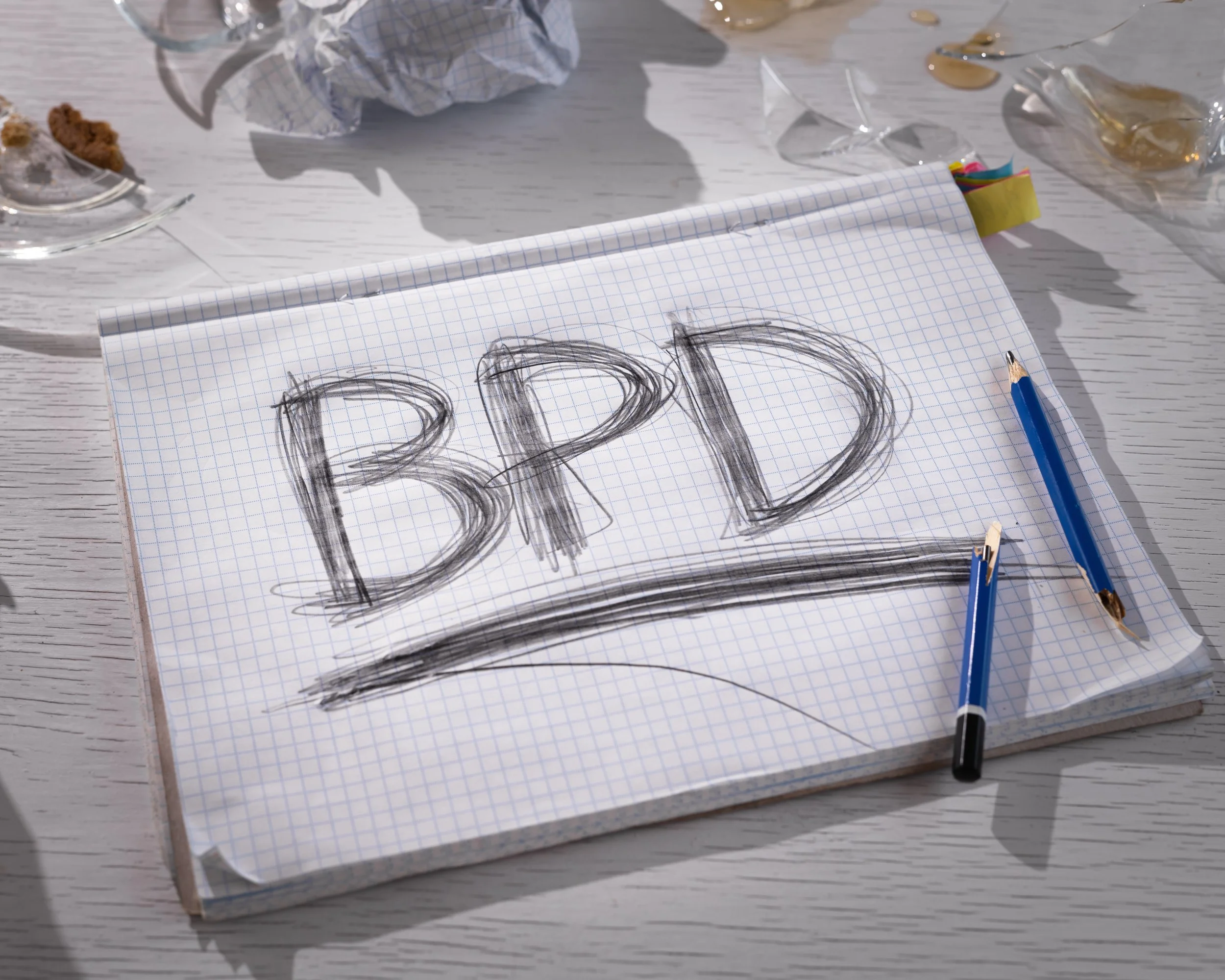
Overview
A diagnosis of borderline personality disorder can bring both clarity and new challenges to a marriage, especially in the area of intimacy. Emotional intensity, fear of abandonment, and push–pull dynamics can make closeness feel unstable or confusing. This article helps couples understand these patterns and offers a grounded framework built on safety, stability, and structure. With the right approach and support, healthy and meaningful intimacy is still possible.
When the Diagnosis Finally Names the Pattern
If your wife has recently been diagnosed with borderline personality disorder (BPD), you may feel a mix of relief and uncertainty. Many couples reach this point after years of confusion, conflict, and emotional intensity that never quite made sense.
Now there is a name for it.
BPD is a personality disorder marked by emotional instability, fear of abandonment, relational volatility, and, at times, suicidal ideation (American Psychiatric Association, 2022). These are not small factors. They shape how your wife experiences closeness, conflict, and especially intimacy.
This article will primarily speak to husbands, since this is the more common dynamic. If your husband has BPD, the same principles apply with roles reversed.
The goal is not to “fix” your spouse. The goal is to understand what healthy, stable intimacy can look like in your marriage as it actually is.
Why BPD Changes Intimacy
Intimacy is not just physical. It is emotional exposure.
For your wife, that exposure may not feel safe.
Moments that should feel connecting, affection, vulnerability, sexual closeness, can instead trigger:
Fear of being rejected
Anxiety about being “too much” or “not enough”
Emotional overwhelm or shutdown
You may notice patterns like:
Strong desire followed by sudden withdrawal
Conflict emerging out of seemingly small moments
Feeling pulled close, then pushed away
Emotional intensity during or after intimacy
Periods of dissociation or disconnection
In more severe moments of dysregulation, this can also include despair or suicidal thoughts. That reality must be taken seriously, but it must also be understood properly. These moments reflect emotional overwhelm, not necessarily a desire to manipulate or control.
Practical takeaway:
Start learning to recognize patterns without immediately personalizing them. Many of these reactions are not about you. They are about how your wife experiences closeness.
The Core Reframe: Safety Over Intensity
Many couples unconsciously rely on intensity to feel connected. Strong emotions, passion, highs and lows.
In a marriage affected by BPD, that approach will break down.
Healthy intimacy here is built on three anchors:
Safety: your wife experiences you as steady and non-abandoning
Stability: connection is consistent, not dependent on emotional highs
Structure: you both develop intentional ways of relating
This means intimacy may look different:
Less dramatic
More predictable
More grounded
That is not a downgrade. That is what makes intimacy sustainable.
Practical takeaway:
Reduce the pressure for emotionally intense or “perfect” sexual experiences. Focus on consistency and steadiness instead.
Common Intimacy Patterns to Expect
Understanding these patterns will help you stay grounded.
Intimacy as Reassurance
Sex or closeness may become a way for your wife to confirm:
“Do you still love me?”
This can create pressure if intimacy becomes tied to emotional validation.
Rapid Shifts in Desire
You may experience:
Strong engagement one moment
Withdrawal the next
This is often driven by overwhelm, not lack of attraction.
The Push–Pull Dynamic
Your wife may:
Pull you close
Then push you away
When she says “go away,” the deeper need is often: “Please don’t leave me.”
Dissociation or Disconnection
Especially with a trauma history, she may:
Mentally check out
Struggle to stay present
Emotional Aftermath
After intimacy, she may experience:
Shame
Fear
Emotional instability
This is where many couples struggle most.
Practical takeaway:
Expect variability. Do not interpret every shift as rejection or failure. Stay anchored in the bigger picture.
Loving Her Without Trying to Manage Her
This is one of the most important distinctions you will need to make.
Love is NOT:
Managing her emotions
Preventing every reaction
Walking on eggshells
Constantly adjusting yourself to avoid upsetting her
Love IS:
Being steady and present
Responding calmly instead of reacting
Refusing to abandon her emotionally
Holding clear and consistent boundaries
There will be moments when she pushes you away, especially during dysregulation. What she is asking for in those moments is not always what she needs.
Your role is not to control her. Your role is to love her well.
That includes presence.
In moments of emotional distress, including those involving despair or suicidal thoughts, your calm, grounded presence can help stabilize the situation. But it is important to be clear:
You are not her therapist.
You are not her sole source of regulation.
Practical takeaway:
Stay present without escalating. Do not withdraw in fear. But do not take on responsibility that is not yours.
Boundaries Make Intimacy Possible
Without boundaries, intimacy becomes unstable.
Boundaries are not rejection. They are structure.
In a marriage affected by BPD:
Love without boundaries becomes chaos
Boundaries without love become distance
You need both.
This includes:
Emotional boundaries during conflict
Sexual boundaries around consent, pacing, and respect
Clear limits on harmful or manipulative behaviors
A boundary might sound like:
“I’m here with you, but I’m not going to engage in this conversation if it becomes hurtful.”
Delivered calmly, consistently, and without escalation.
Practical takeaway:
Your boundaries should be predictable, not reactive. That predictability builds safety over time.
What Healthy Intimacy Can Look Like
Healthy intimacy in your marriage may not look like what you expected.
It may be:
Slower
More intentional
Built on smaller moments of connection
Key elements include:
Emotional check-ins before intimacy
A willingness to slow down or pause
Strong emphasis on aftercare:
Reassurance
Physical closeness
Verbal affirmation
Aftercare is not optional here. It is essential.
Over time, success looks like:
Increased stability
Greater emotional safety
A growing sense of trust
Not constant intensity.
Growth Requires Support
This is not something most couples can navigate alone.
If your wife has BPD, therapy is not optional.
It is a necessary part of long-term stability and growth.
Even when symptoms improve, ongoing therapeutic support helps her:
Stay grounded
Use the tools she has learned
Maintain progress over time
Your work as a couple is different:
Building relational patterns
Strengthening intimacy
Developing practical skills for connection
That is where coaching and intimacy-focused guidance come in.
You Are Not Alone
If this is your marriage, you are not the only one navigating these challenges.
And this diagnosis does not disqualify you from having a healthy, meaningful intimate life.
At the Apostolate for Marital Intimacy, we work with couples in complex situations like this to:
Build structure and stability in the relationship
Develop practical tools for intimacy
Navigate the unique dynamics that conditions like BPD introduce
If you are trying to figure out what this looks like in your specific situation, we can help.
References
American Psychiatric Association. (2022). Diagnostic and statistical manual of mental disorders (5th ed., text rev.; DSM-5-TR).
Want More Content Like This?
Sign up to get The Catholic Marital Intimacy Blueprint. Plus, if you sign up for SMS, you'll get our Yes, No, Maybe sexual exploration guide for Catholics for FREE! We respect your privacy and will never sell your information.
Get the Blueprint