Can Polygamous Sexual Acts be Permitted if Everyone Consents? Answering a Reader
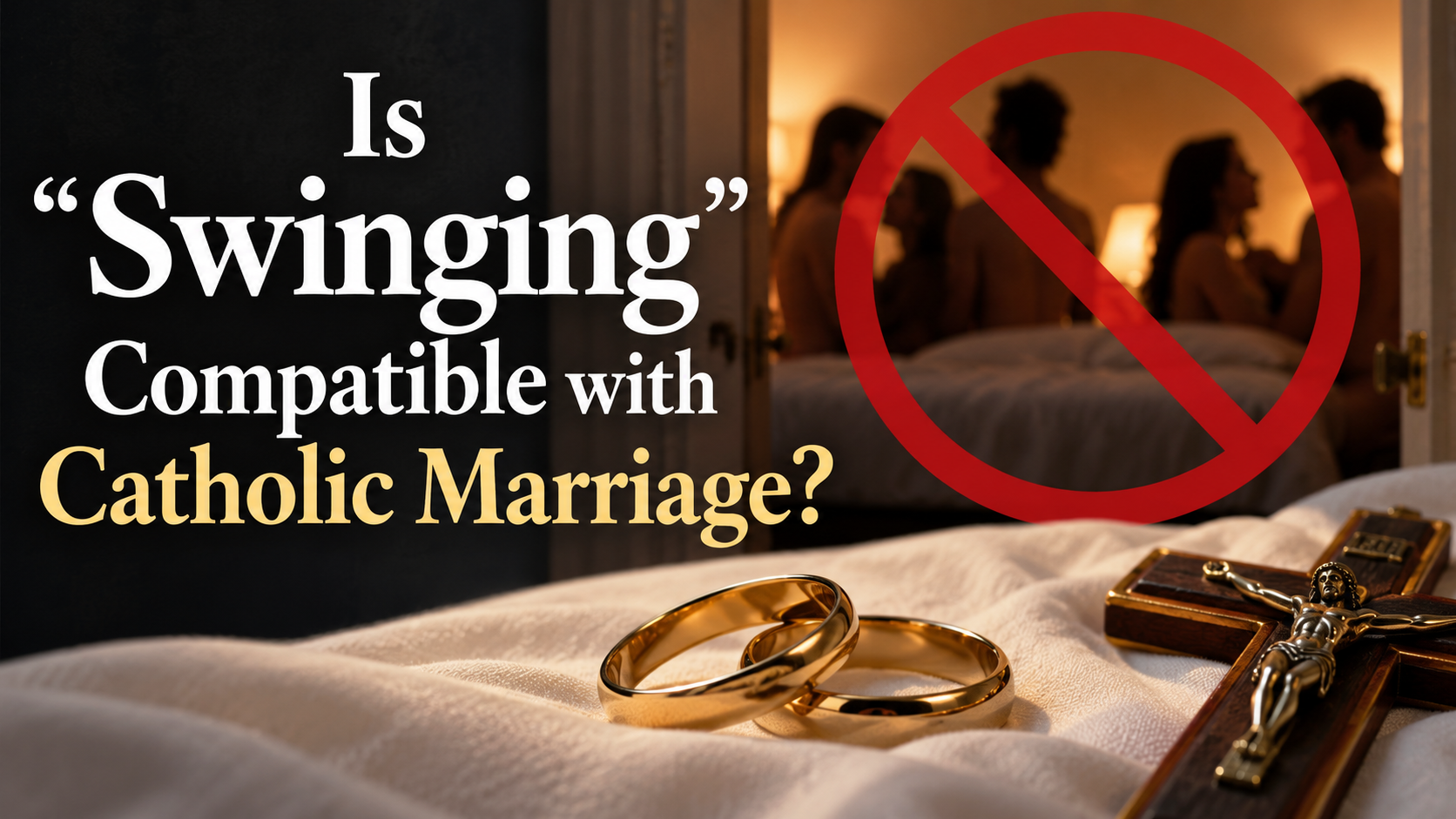
Is “swinging” compatible with Catholic marriage if both spouses consent? This article explains why Catholic teaching views sexual activity with anyone outside one’s spouse as adulterous, and how the Church’s understanding of monogamy, fidelity, and the sacramental meaning of marriage rules out sharing marital intimacy with third parties.
A reader of ours asks: Is it immoral if my wife and I engage in “swinging” or involve other people into our married sexual life if everyone consents? Didn’t the Old Testament allow for polygamy? Or is this just another way of practicing adultery?
Answer: Thanks for your question! The short answer is that there is within the framework of Catholic moral theology absolutely no room for sharing the expression of one's sexuality with anyone other than your spouse. The reason for this is because Christ instituted the Sacrament of Marriage in order to make manifest through a sacramental sign the exclusive covenantal union between Himself and the Church. While it is true that God had permitted instances of polygamous marriages in the Old Testament, Jesus Himself makes clear that this was not the original design God had for marriage and part of Jesus' mission on earth was to restore the sacrament of marriage to its proper dignity which is to consist in the indissoluble and exclusive union between one man and one woman. Since our sexuality is meant to realize and renew the truthfulness of this sacramental bond, inviting others into spousal sexual relations would be to fundamentally contradict the very purpose for the sake of which sexual relations exist. Therefore, your instinct which suggests that this might step into the realm of adultery is completely correct and you should follow where that instinct is leading you. Even if both spouses consent, bringing in other people to enjoy your spousal sexual expression does not cease to be an adulterous encounter. It entirely endermines the spousal character of the sexual relations themselves, ripping them out of their sacramental context entirely.
I'll leave you with an excerpt from this beautiful document on the value of monogamy, Una Caro:
83. Finally, in its summary vision, the Catechism of the Catholic Church states that: "Polygamy is contrary to this equal dignity and to conjugal love, which is unique and "[113]. In addition "Conjugal love demands of the spouses, by its very nature, a fidelity inviolable. This is the consequence of the gift of self that spouses give do to one another"[114]. For this reason, "adultery is an injustice. Those who commit it fail to the commitments undertaken. It wounds that sign of the Covenant which is the bond the right of the other spouse and attacks the institution of the marriage, violating the contract that founded it. It compromises the good of the human generation and children, who need the stable union of parents"[115]. This does not excludes the possibility of understanding "the drama of those who, eager to convert to the Gospel, is forced to repudiate one or more women with with whom she shared years of married life. However, polygamy is in contrast with the moral law. It radically contradicts communion conjugal life"[116].
Want More Content Like This?
Sign up to get The Catholic Marital Intimacy Blueprint. Plus, if you sign up for SMS, you'll get our Yes, No, Maybe sexual exploration guide for Catholics for FREE! We respect your privacy and will never sell your information.
Get the Blueprint